Cebu's New Desalination Plant: What It Means for Water Security, Real Estate, and the Environment
Cebu Desalination Plant: What Property Buyers Should Know


Cebu continues to attract homeowners, investors, retirees, and businesses seeking opportunities in one of the Philippines’ most dynamic regional property markets. As residential and commercial developments expand, however, one essential consideration deserves greater attention: the long-term availability of clean and reliable water.
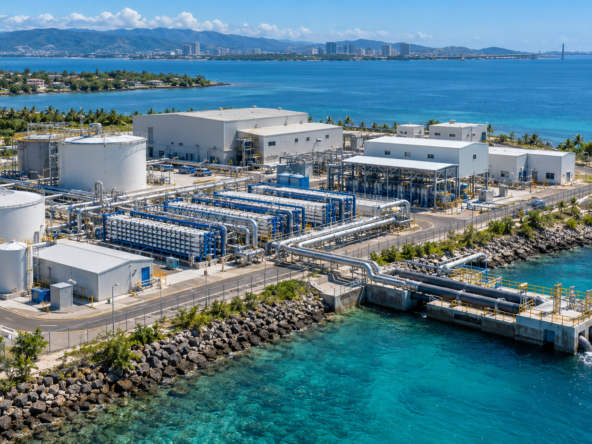
In July 2026, Cebu took an important step toward addressing this challenge when desalinated seawater from a facility in Cordova began entering the Metropolitan Cebu Water District (MCWD) distribution network.
By September, additional water was reaching communities across Mactan Island through a new distribution connection in Lapu-Lapu City.
For residents, property buyers, and investors, this development represents a potentially significant improvement in regional water infrastructure.
But what exactly does it mean for Cebu’s real estate market? And how can the province balance its growing demand for water with the need to protect its marine environment?
A New Source of Drinking Water for Cebu
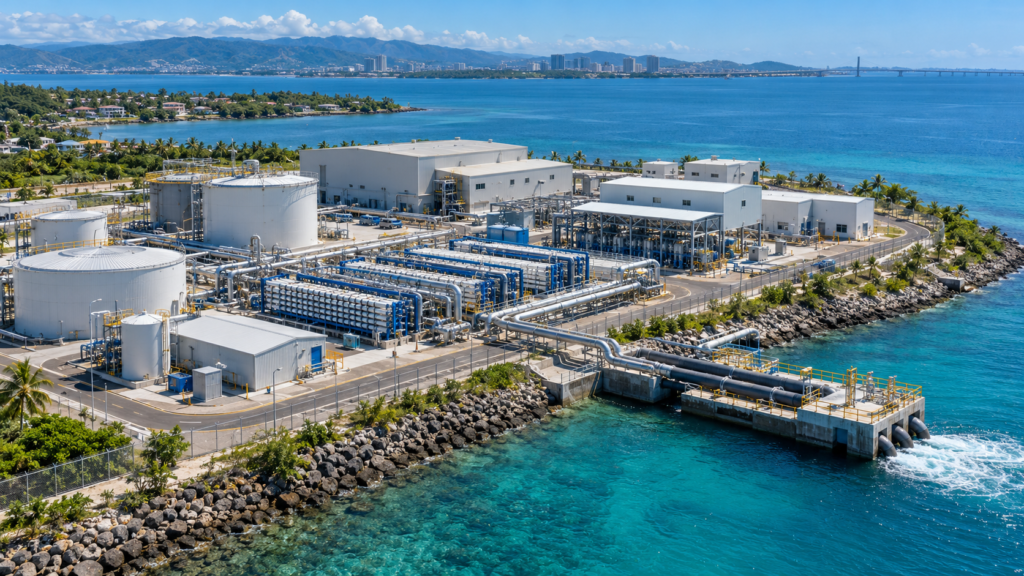
The Isla Mactan Desalination Plant, developed through Isla Mactan Cordova Corporation (IMCC), a subsidiary of Vivant Water, is located in Cordova, Cebu.
The facility uses seawater reverse osmosis technology, which removes dissolved salts from seawater to produce freshwater that undergoes additional treatment before distribution.
According to Vivant Corporation’s July 1, 2026 announcement, the facility began delivering an initial 5,000 cubic meters, or approximately 5 million liters of potable water per day, into MCWD’s distribution system.
The project is designed to progressively increase supply toward a contracted volume of 20 million liters per day, subject to operational readiness and the stabilization of its intake systems.
The development forms part of a 25-year joint venture agreement between Vivant Water and MCWD, signed in April 2025.
Vivant estimates that the facility could supply enough water to support nearly 30,000 households once it reaches its full contracted volume. This is the company’s estimate of potential service capacity, not a verified count of households already receiving desalinated water.
On September 3, 2026, officials marked an additional water connection in Barangay Babag II, Lapu-Lapu City, extending the reach of desalinated water across Mactan.
As reported by SunStar Cebu, the facility is intended to provide another water source as Cebu faces increasing demand and pressure on its groundwater reserves.
Why Water Infrastructure Matters to Cebu’s Real Estate Market
When purchasing a residential property, buyers typically consider location, accessibility, architectural design, amenities, developer reputation, and investment potential.
Yet an equally important factor is the quality and reliability of the infrastructure supporting the property.
Consistent water availability influences everyday living conditions, building operations, maintenance, and long-term residential suitability.
For Cebu, this is especially relevant as development continues across Cebu City, Mandaue, Lapu-Lapu, Cordova, and surrounding communities.
Groundwater has historically been an important source of freshwater for the region. However, excessive extraction can place pressure on aquifers, particularly when withdrawals exceed natural replenishment.
Desalination provides another option by obtaining freshwater from the sea rather than depending exclusively on underground or surface water sources.
For the real estate market, the potential benefit lies in greater infrastructure resilience and diversification of water sources, rather than an immediate increase in property values.
Additional supply may help support growing communities, but the benefits experienced by individual properties will still depend on distribution systems, water pressure, storage capacity, and the reliability of local utility services.
What Does This Mean for Mactan Property Buyers?
Mactan has established itself as a destination for beachfront residences, resort-oriented condominiums, hospitality developments, vacation homes, and long-term residential investments.
For overseas Filipinos, international buyers, retirees, and families considering property ownership in Mactan, reliable infrastructure is an important part of evaluating a location.
An additional regional water source could help support the island’s continued development, particularly as demand from residential communities, commercial establishments, and tourism-related properties grows.
However, the presence of a new desalination facility does not automatically guarantee uninterrupted water service to every condominium, subdivision, or resort.
A property’s actual water reliability depends on its utility connection, internal distribution system, storage facilities, maintenance practices, and contingency arrangements.
Buyers should therefore assess the water infrastructure of the specific development they are considering, rather than relying solely on announcements about regional infrastructure projects.
What Should Property Buyers Ask Before Purchasing?
Major infrastructure announcements can provide useful information about a region’s development direction, but property buyers should go beyond the headlines.
Before purchasing a condominium, residential house, or investment property in Cebu, consider the following questions:
1. Who supplies the property’s water?
Determine whether the development receives water from MCWD, another utility provider, or an independent water system.
2. Does the development have adequate water storage?
Ask about reserve tanks, storage capacity, and the building’s ability to maintain essential water services during temporary interruptions.
3. Has the property experienced recurring water interruptions?
Request information about previous outages, water-pressure issues, and how the property management team addressed them.
4. Are there additional water-related operating expenses?
Understand how water consumption is billed and whether residents pay additional charges for private pumping, treatment, storage, or distribution systems.
5. Are planned infrastructure improvements confirmed?
Distinguish between projects that are operational, under construction, approved, or merely proposed.
6. How does the property approach environmental responsibility?
For coastal residential developments, consider wastewater management, drainage, shoreline protection, and environmental compliance alongside drinking-water availability.
These questions are particularly important for buyers considering retirement homes, long-term residences, vacation properties, or rental investments.
Will Cebu’s New Desalination Plant Increase Property Values?
It is too early to attribute any increase in Mactan property values directly to the new desalination facility.
Real estate prices are influenced by multiple factors, including location, accessibility, developer reputation, demand, available inventory, financing conditions, and construction quality.
Infrastructure improvements can strengthen the overall investment environment, but their effects on individual properties are not automatic.
Over time, a more diversified and dependable water supply may contribute to the attractiveness of communities and help support future development.
However, claims about increased property prices, stronger rental yields, or reduced operating expenses should be supported by actual market evidence.
For investors, the more appropriate approach is to consider water infrastructure as one component of a broader property evaluation.
Building a More Resilient and Sustainable Cebu
The introduction of desalinated drinking water into MCWD’s distribution system represents an important development in Cebu’s efforts to address growing freshwater demand.
The Cordova facility provides an alternative water source, with the potential to reduce pressure on traditional freshwater supplies as production and distribution expand.
At the same time, its long-term contribution will depend on reliable operations, responsible energy use, environmental safeguards, and transparent monitoring.
For prospective homeowners and investors, developments like this highlight a principle that is sometimes overlooked when purchasing real estate:
The long-term suitability of a property depends not only on its architecture, amenities, or location, but also on the infrastructure and environmental conditions supporting the surrounding community.
As Cebu continues to grow, responsible development should balance economic opportunity, reliable essential services, and the protection of natural resources.
Achieving that balance can help create communities that remain desirable places to live, work, and invest in the years ahead.
Make a More Informed Property Decision in Cebu
At Pacheco Real Estate Services, we believe that choosing a property involves more than finding an attractive residence.
Our approach considers location, accessibility, development quality, infrastructure, environmental considerations, and long-term suitability.
Whether you are exploring a beachfront residence in Mactan, a luxury condominium in Cebu City, or a property for retirement or long-term investment, our team can help you evaluate your options and make informed decisions.
Explore Premium Condominium Properties in Cebu
For personalized property assistance, connect with:
Patti Amor Pacheco
Licensed Real Estate Broker
PRC License No. 0024960
Pacheco Real Estate Services
www.CebuPhilippinesHouse.com
Sources and Further Reading
SunStar Cebu — Desalinated Water Reaches Mactan (September 3, 2026)
Vivant Corporation — MCWD Boosts Water Supply With Vivant Desal Plant Partnership (July 1, 2026)
Vivant Corporation — 25-Year MCWD Water Supply Partnership (April 10, 2025)
Metropolitan Cebu Water District — Water Service Advisories (July–October 2026)
United Nations Environment Programme — Five Things to Know About Desalination
World Bank — The Role of Desalination in an Increasingly Water-Scarce World (2019)
Editorial note: This article reflects publicly available information reviewed as of October 16, 2026. It is independent real estate and infrastructure commentary and does not constitute an endorsement of the plant operator, an assessment of its regulatory compliance, or a guarantee of future property performance. Buyers should independently verify utility arrangements and property-specific conditions before purchasing.

- Cebu Desalination Plant: What Property Buyers Should Know
Other Blog Articles