Buying a home is often the biggest investment a person will ever make. In the Philippines,condominiums have become the “gold standard” for urban living. Yet, a persistent myth keeps many potential buyers away: “I only own the unit for 50 years, right?”
The short answer is: No. In most cases, your ownership is as permanent as owning a house and lot. Let’s break down why this myth exists and how condo ownership actually works.
1. Why Was the “Condo” Invented?
Before condominiums, if you wanted to own a home in a crowded city, you had to buy a piece of land. But in a city like Manila or Cebu, there isn’t enough land for everyone.
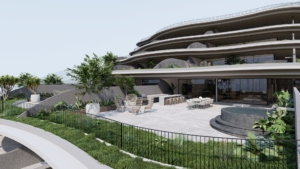
The “Condominium” was created as a legal solution to land scarcity. It allows multiple people to own “layers” of space on a single piece of land.
The Concept: Think of it like a tall cake. You own your specific “slice” (the air space and interior of your unit), while everyone together owns the “plate” the cake sits on (the land, hallways, and elevators).
The Law: This was legalized through Republic Act No. 4726, also known as The Condominium Act of 1966.
2. Busting the 50-Year Myth
Many people believe that after 50 years, the building is demolished and you lose everything. This confusion comes from the Corporation Code, which used to limit a corporation’s lifespan to 50 years.
Here is the reality:
When you buy a condo, you automatically become a “shareholder” in a Condominium Corporation.3 This corporation owns the land. Even if the building gets old, you still own your share of that corporation and the land it sits on.
Under Section 8 of RA 4726, a condo project can only be dissolved or sold if:
The building is more than 50 years old AND it is obsolete and uneconomic.
The owners representing more than 50% of the interest vote against repairing or restoring it.
The building has been condemned or largely destroyed.
The Bottom Line: You don’t lose your investment. If the building is eventually sold because it’s too old, you receive your proportionate share of the sale of the land. If the owners decide to modernize the building, ownership simply continues.
3. What Exactly Do You Own?
Ownership is divided into two distinct parts:
Type of Ownership
What it Covers
Your Rights
Exclusive Ownership
The “box” of air inside your unit.
You can paint, renovate (internally), and live in it exclusively.
Co-Ownership
The land, lobby, pool, and structural walls.
You share these with other owners. You pay “Association Dues” to maintain them.
Your proof of ownership is not a Transfer Certificate of Title (TCT) like a house; it is a Condominium Certificate of Title (CCT).
4. Protecting Your Investment: The Laws
To make your ownership secure, the Philippine government has passed several protective laws:
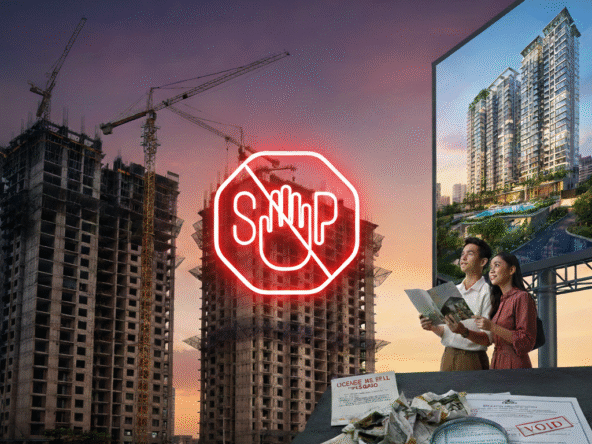
PD 957 (The Buyer’s Decree): This is your shield. It requires developers to get a “License to Sell” and ensures they actually build what they promised in their brochures.
The Maceda Law (RA 6552): If you are paying in installments and run into financial trouble, this law protects you. It allows for “grace periods” and even partial refunds of your payments if you’ve paid for at least two years.
RA 9904 (Magna Carta for Homeowners): This ensures the building’s management stays fair and transparent.
5. Summary for Buyers
Owning a condo in the Philippines is a perpetual right. It is an asset you can pass down to your children or sell at a profit decades later. You aren’t just renting for 50 years; you are a co-owner of a valuable piece of Philippine soil.
Still have questions about the Condominium Act? We’re here to help you navigate the fine print. send me your questions and we will be happy to answer it for you!
Beyond the 50-Year Myth: A Guide to Owning a Condo in the Philippines